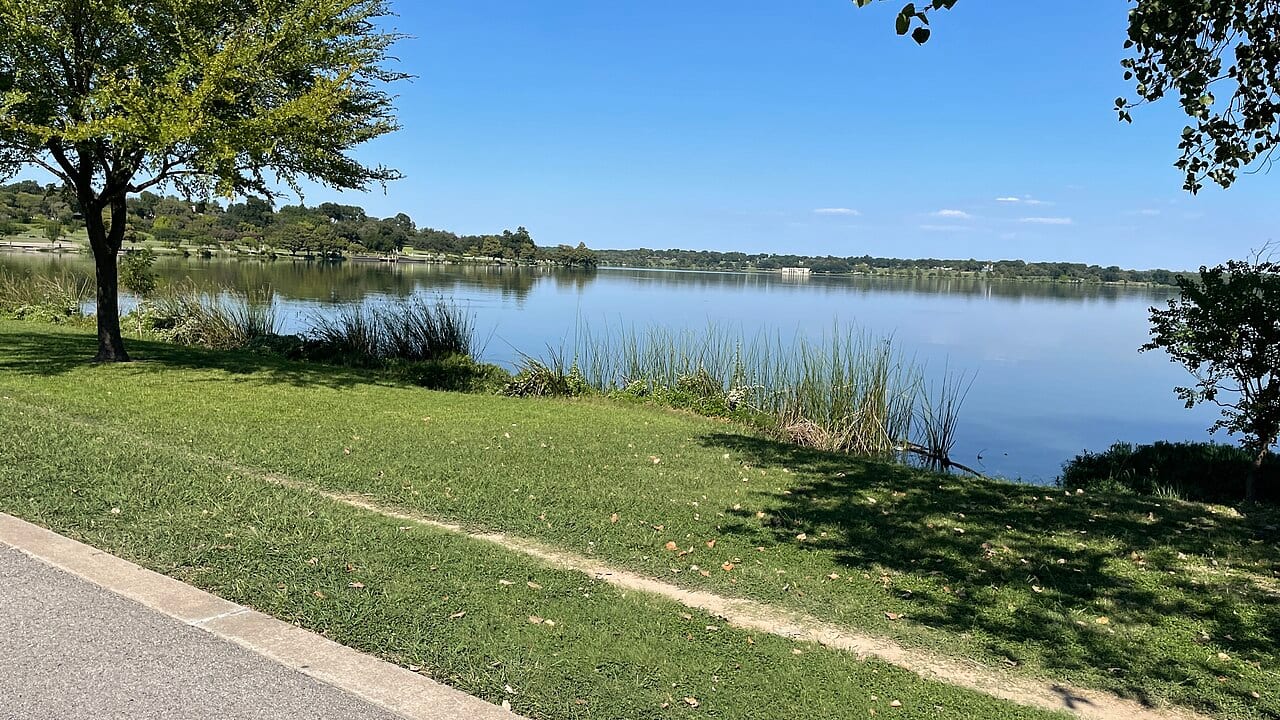
The group text thread is buzzing with excitement, a digital flurry of emojis and exclamation points signaling an upcoming gathering. Whether it is a Saturday stroll through a local park or a planned afternoon of exploring a neighborhood, the momentum is high. However, the logistics of a shared itinerary often carry an invisible weight: the assumption that every participant possesses the same stamina or the same appetite for every activity on the list. When we plan for others, we often inadvertently plan for a version of them that does not exist in that specific moment.
The Anchor and the Divergence
A successful group outing often relies on a central anchor—a specific time and place where everyone converges. This shared commitment provides the social glue. Once that foundation is set, the most effective itineraries introduce an optional branch. This is a planned moment where the group can split, allowing those with high energy to pursue a more demanding activity while others opt for a slower pace or a different interest entirely. This structure honors the collective desire to see one another without forcing a singular experience upon everyone.
For example, if a group decides to meet at a specific trailhead in the morning, the anchor is the start time and the initial walk. The optional branch might be a steep climb for the hikers, while a second group chooses to remain on the shaded, level paths nearby. This allows the group to enjoy the shared atmosphere of the morning without the frustration of mismatched physical capabilities.
Navigating the Tradeoff of Time
Choosing where to allow for divergence requires a careful tradeoff between cohesion and autonomy. A tightly packed schedule ensures maximum time spent together, but it can leave individuals feeling rushed or exhausted. Conversely, an itinerary with too many branches can make the group feel fragmented, losing the sense of a shared event. The goal is to identify the points in the day where the group's interests naturally pull in different directions.
Consider the tension between a long, seated lunch and a quick snack before a walk. One segment of the group may view a two-hour meal as the highlight of the day, while another may find it an obstacle to their physical activity. By designating the meal as an optional branch rather than a mandatory requirement, you remove the pressure to perform interest or endurance that is not present. This choice preserves the social connection while respecting individual needs.
The Handover of Information
When a group splits, the communication must be seamless to prevent anyone from feeling left behind or lost. This is the handoff. The person organizing the primary group should clearly communicate where the diverging members are going, how long they expect to be, and exactly where and when the entire group will reconvene. This ensures that the 'branch' feels like a choice rather than an abandonment.
Before the day begins, ask the group members about their preferred pace and any specific activities they are eager to include or avoid. Confirm the final meeting point and the time for the reunion. By establishing these parameters early, you transform a potentially stressful logistical puzzle into a flexible framework that respects the diverse rhythms of your neighbors and friends. The most successful outings are those where every participant feels they have the agency to participate fully, regardless of which path they take.