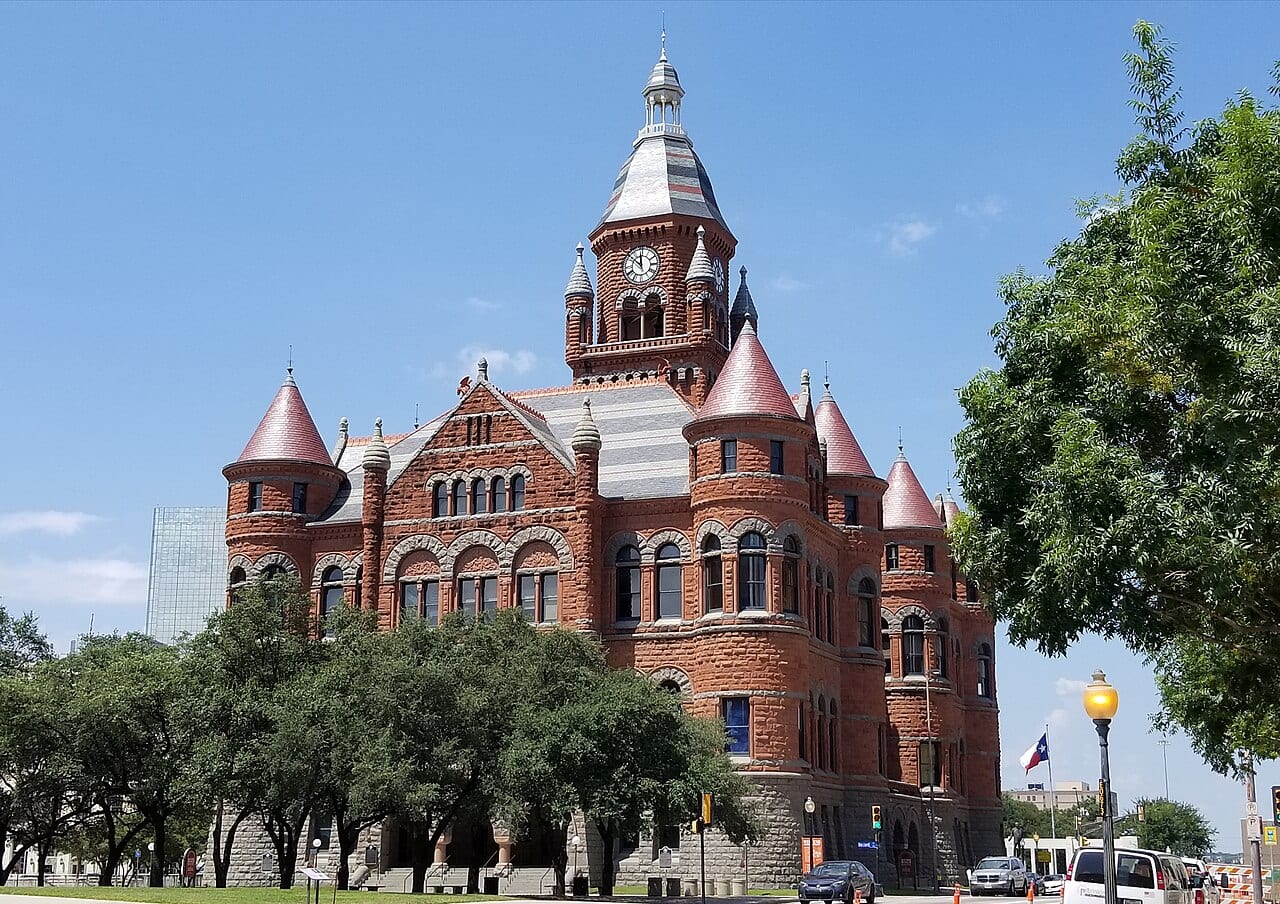
The heavy mahogany dining table, the collection of vintage vinyl, or the shared family property in North Dallas—these are the objects that anchor our daily lives. When a group of stakeholders, whether they are family members or close-knit neighbors, begins to discuss what can be left optional for future generations, the conversation often centers on the sentimental value of the assets. It is easy to get lost in the emotional weight of a specific heirloom or the desire to keep a particular piece of land intact.
The Weight of the Tangible
Deciding how to distribute a shared legacy involves a delicate balance between honoring the past and acknowledging the changing needs of those currently living. There is a natural tension between the desire for permanence and the reality of evolution. For example, if a group of siblings is discussing a family home, one person might envision it remaining a permanent gathering place, while another might see it as a liquid asset that provides immediate support for a grandchild’s education. This creates a fundamental tradeoff: the stability of a physical legacy versus the flexibility of a financial one.
In these moments, the group often focuses on the what—the specific items or properties they wish to pass down. However, the more pressing concern is often the how. The distinction between a desired emotional outcome and the actual mechanics of a transition is where much of the uncertainty lies. A group might decide they want a specific property to remain in the family, but they have not yet addressed how that decision interacts with the broader structure of their plans.
Navigating the Uncertainty
For example, imagine a group of long-time neighbors who wish to establish a small community fund or a shared resource to maintain a local garden. They may have a clear vision of the garden's beauty, but they have not yet grappled with the administrative reality of how such an entity would function or who would hold the responsibility for its upkeep over decades. The vision is clear, but the framework is absent.
When preparing to meet with a professional to discuss these intentions, the goal is not to walk in with a finished set of instructions, but with a clear identification of the variables. Rather than attempting to solve the logistical puzzles yourself, focus on identifying the specific points of friction within your group's desires.
Preparing for the Conversation
To make the most of a professional consultation, move past the list of assets and toward the questions that define your uncertainty. Instead of stating a conclusion, present the tension you are feeling. You might ask a qualified professional:
- How do our specific goals for these assets align with the different ways they might be managed?
- What happens to the intended outcome if the circumstances of the beneficiaries change?
- In what ways does our desire for a specific result impact the options available to us?
The most effective way to approach this decision is to separate your wishes from your strategy. By identifying exactly where your group's consensus ends and the practical complexity begins, you provide the professional with the necessary context to address the real uncertainty.