This is a paid partner contribution. Commercial relationships are disclosed so readers can distinguish sponsored content from editorial guides.
A blank wall, a storefront window, or a lobby corner holds a specific kind of potential. When you decide to add a physical element to your space, the transition from an idea to a finished product begins with a single conversation. Whether you are looking for a permanent fixture or exploring options like digital signage Dallas, the quality of your initial discussion often dictates how smoothly the project moves from the design phase to installation.
Visualizing the Space
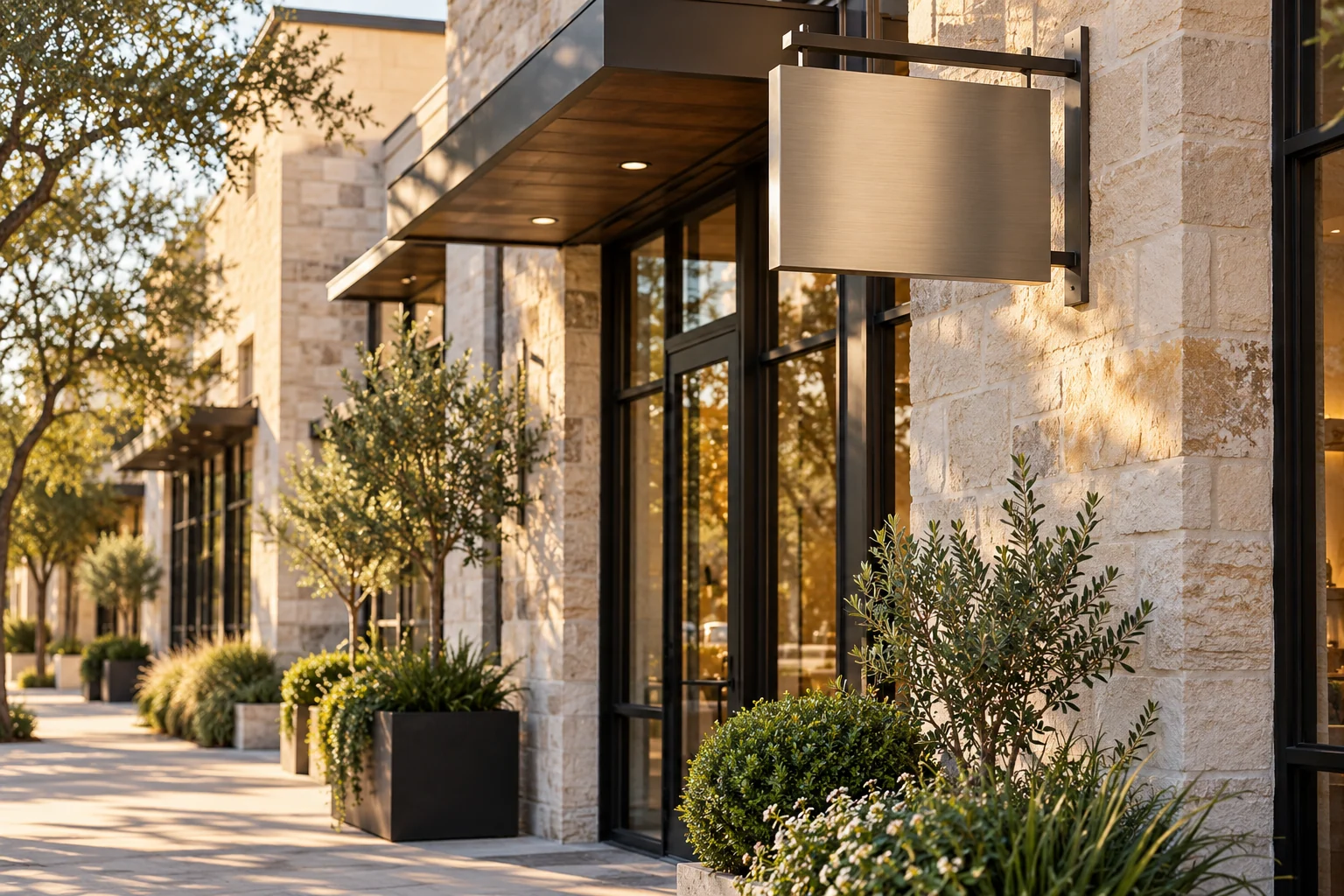
Before reaching out to a provider, take a moment to observe the environment where the sign will live. Consider the lighting throughout the day and the distance from which people will view the display. A sign that looks vibrant in a bright showroom might behave differently in a dimly lit hallway or under direct sunlight. Bringing these observations to your first meeting helps ground the conversation in your actual surroundings.
For example, if you are considering a large outdoor banner for a seasonal event, you might weigh the benefit of high-impact visibility against the practicalities of wind resistance and weather exposure. This tradeoff between sheer size and environmental durability is a central part of the planning process. Ask the professional how different materials might react to the specific conditions of your location.
Gathering Your Requirements
A productive consultation relies on the details you provide. Rather than arriving with a vague concept, prepare a collection of specifics that define your needs. This might include the approximate dimensions of the installation area, the primary message you want to convey, and the intended lifespan of the project. If the sign is meant to be part of a rotating series of messages, note how often you expect to update the content.
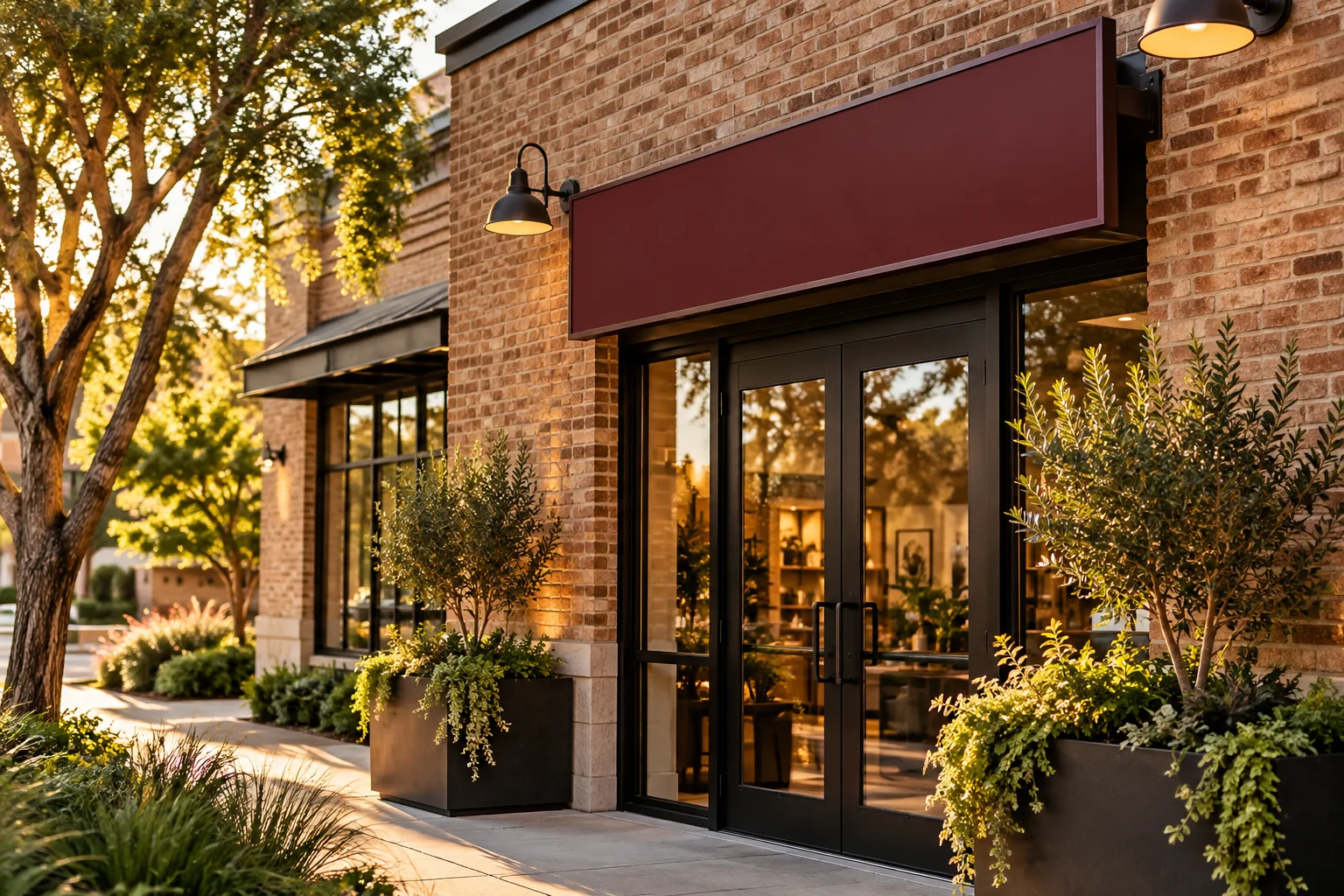
It is also helpful to bring examples of styles or colors that align with your existing brand or decor. Having these references ready allows for a more precise dialogue about what can be achieved. You might ask how a specific color or texture will appear under your current lighting setup, or how a certain material might integrate with your building's architecture.
Refining the Conversation
Once you have laid out your vision, the next step involves asking targeted questions to clarify the scope of work. Instead of assuming a standard process, seek clarity on the individual stages of your project. Ask who will be responsible for the measurements, how the proofs will be presented for your approval, and what the timeline looks like from the moment you sign off on a design to the final placement.
To gain a sense of how others have navigated similar projects, you may want to look at reviews of FASTSIGNS on North Jim Miller Road. Use these perspectives to help formulate your own questions regarding installation logistics and communication styles. By arriving prepared with measurements, environmental observations, and a clear list of questions, you turn a simple inquiry into a structured plan for your space.