This is a paid partner contribution. Commercial relationships are disclosed so readers can distinguish sponsored content from editorial guides.
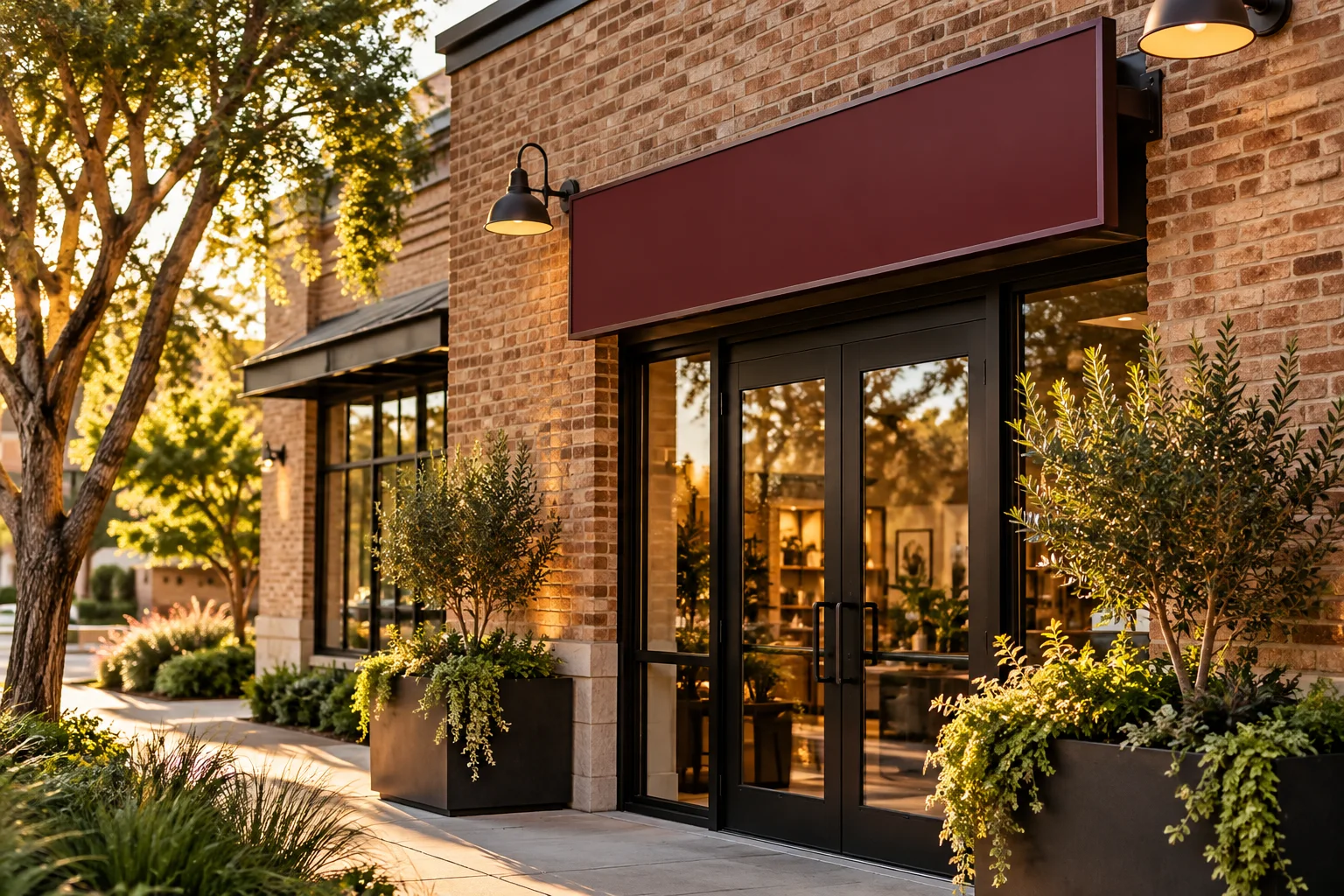
A blank storefront or an empty lobby presents a quiet sort of potential. When you decide to add physical markers to your space—whether they are large-scale exterior displays or subtle interior directions—the process begins long before the first piece of material is cut. The transition from an idea to a finished product requires a clear understanding of what you need to communicate and how you intend to communicate it.
Defining the visual objective
Before reaching out to a signage company near me, take time to observe your surroundings. Consider the distance from which your audience will view the message. A sign meant to catch the eye of a driver on a busy Dallas street requires a different approach than a sign intended for someone standing at a reception desk. Note the lighting conditions of your location, the colors of your existing architecture, and the specific information that must be legible at a glance.
For example, if you are looking to refresh a retail entrance, you might weigh the visual impact of a bright, illuminated display against the understated elegance of etched glass or brushed metal. One offers high visibility from a distance, while the other creates a specific mood for those already entering the door. This choice between visibility and atmosphere is a central part of the planning process.
Gathering your project details
Walking into a consultation with a set of measurements and photos can change the direction of the conversation. Rather than relying on estimates, attempt to capture the dimensions of the intended installation area. If you are replacing an existing sign, take photos of the current mounting hardware or the surface where the new sign will sit. This helps prevent surprises regarding installation requirements later on.
Organize your brand assets, such as high-resolution logos and specific color requirements, into a single folder. Having these ready allows you to move quickly from the conceptual phase to the practical phase. You may also want to check FASTSIGNS Fair Park reviews to see how others have approached their own project preparations.
Asking the right questions
A professional consultation is an opportunity to clarify the specifics of your project. Instead of assuming how a sign will be attached or how long it will last in the Texas sun, ask direct questions to understand the scope of the work. You might ask how the material choice responds to the specific environment of your building, or how the installation process affects your daily operations.
Ask who will be responsible for the physical installation and what that process involves. Inquire about the timeline from the moment a design is approved to the moment the sign is mounted. It is also helpful to ask how the proposed design accounts for the specific dimensions and lighting you observed during your initial site visit. By focusing on these practicalities, you ensure that the final result aligns with both your aesthetic goals and your functional requirements.


