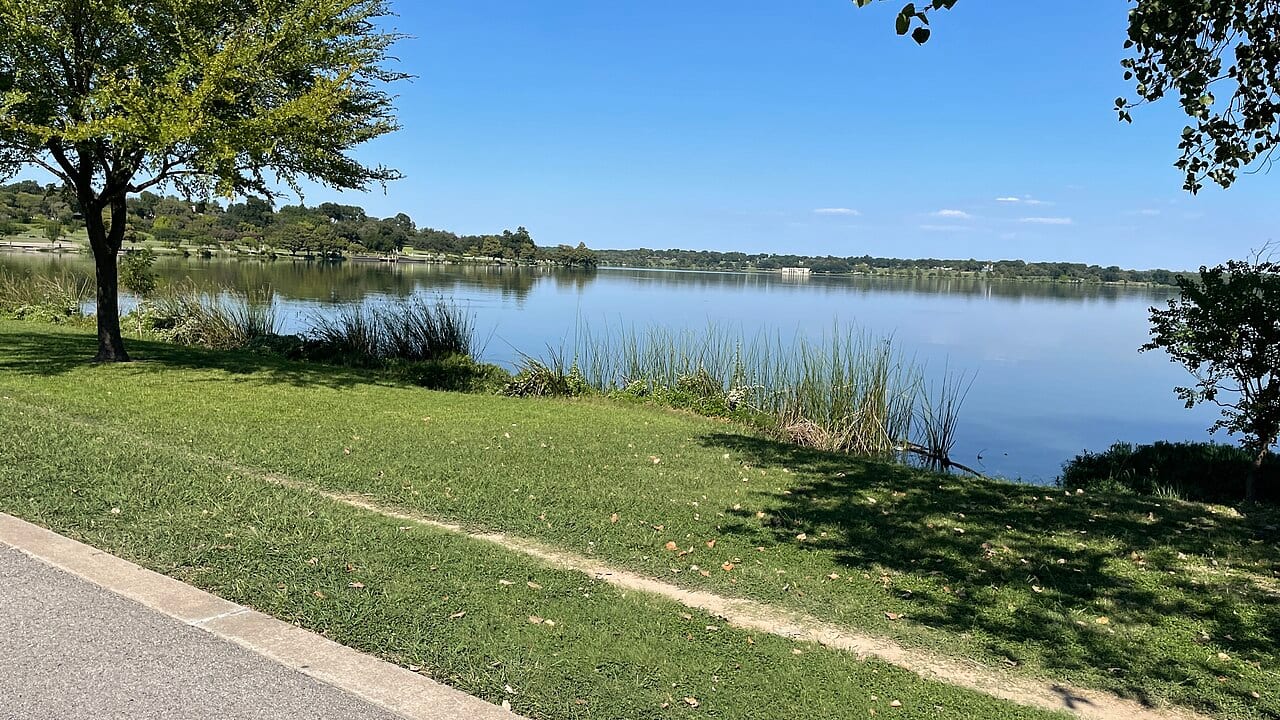
A pair of walking shoes sitting by the door can sometimes feel like a quiet reproach. Perhaps you and a group of neighbors planned a morning excursion through a local park three months ago, only to have it sidelined by a sudden thunderstorm, a busy work week, or a bout of seasonal flu. Now, the weather has cleared, the schedules have aligned, and that postponed decision to finally get moving is back on the table.
Aligning on the Pace
Revisiting a plan that has sat idle for a while requires more than just a simple confirmation of time and place. Because people’s fitness levels and energy reserves fluctuate, the group's collective expectations might have shifted since the original conversation. What felt like a brisk, invigorating trek in the spring might feel like a daunting marathon in the heat of a different season.
Before setting out, consider the physical demands of the intended path. Ask your companions how much distance they are comfortable covering this time around. You might also inquire about their preferred terrain; some may favor the steady, paved surfaces of a neighborhood loop, while others might be looking for the uneven textures of a wooded trail. Balancing these preferences involves a tradeoff between a route that challenges the legs and one that allows for uninterrupted conversation.
Verifying the Path
A route that was pristine during your last visit may not be in the same condition today. Seasonal changes, local maintenance, or recent weather events can alter the landscape in ways that a memory cannot account for. It is helpful to verify the current state of the intended route before everyone gathers at the trailhead.
For example, if you are planning to walk a specific trail known for its shade, ask if any recent tree work or fallen limbs have altered the canopy or blocked the path. If the group is heading toward a specific landmark or a local cafe for a post-walk refreshment, confirm that the destination is actually open and accessible. Taking a moment to check recent updates ensures that the momentum gained from finally following through on your plans isn't lost to a closed gate or a flooded walkway.
The Flexibility of the Plan
The most important element of a successful return to a routine is the agreement on how to handle the unexpected. Even with the best intentions, a sudden shift in temperature or a dip in energy can change the mood of a group. Rather than pushing through a plan that no longer feels right, establish a signal or a standard for when it is time to pivot.
Discuss with your walking partners what the criteria will be for shortening the loop or heading back early. Will the decision be made by a majority vote, or will the group defer to whoever feels the most fatigue? By agreeing on these contingencies in advance, you remove the social awkwardness of suggesting a change in direction. When you settle on the specifics of distance, terrain, and the freedom to turn back, you turn a postponed obligation into a reliable neighborhood ritual.